

From CSU to Antarctica: the Denman Marine Voyage
An expedition report by Chelsea Bekemeier
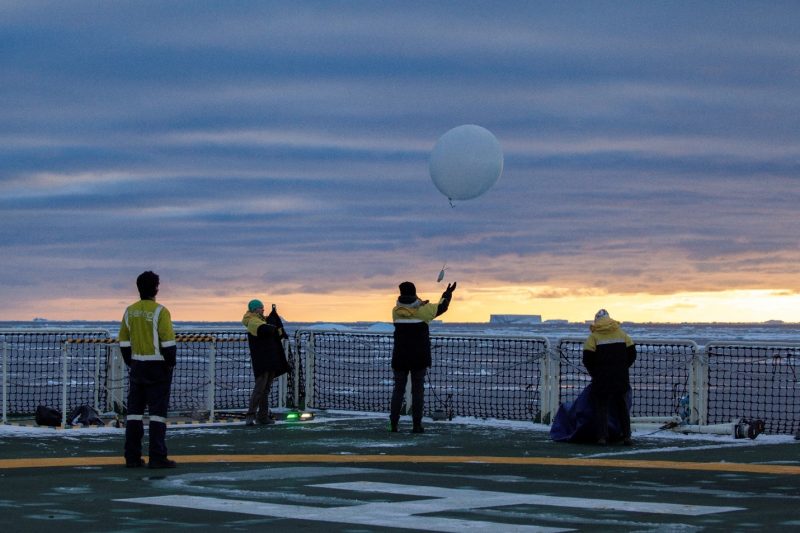
It’s 6 a.m. in a random time zone – whichever one best matches the rhythm of the sun – this time it’s Indochina (GMT+7). My alarm goes off, and I get dressed for the day: long johns, work pants, wool jacket, winter coat, wool socks, hat, gloves, and steel-toed boots. Bundled up, I head to the helicopter deck. Behind the massive hangar door, we prepare for the morning weather balloon launch. After carefully filling the balloon, we wait for the deck officer to open the hangar. Morning light glints off the Antarctic continent in the distance, while the ocean and sea ice shimmer in front of it. It is a beauty so rare and raw that, even on what feels like my hundredth launch of the expedition, I feel my eyes well up. “This will never get old,” I say to my teammates.
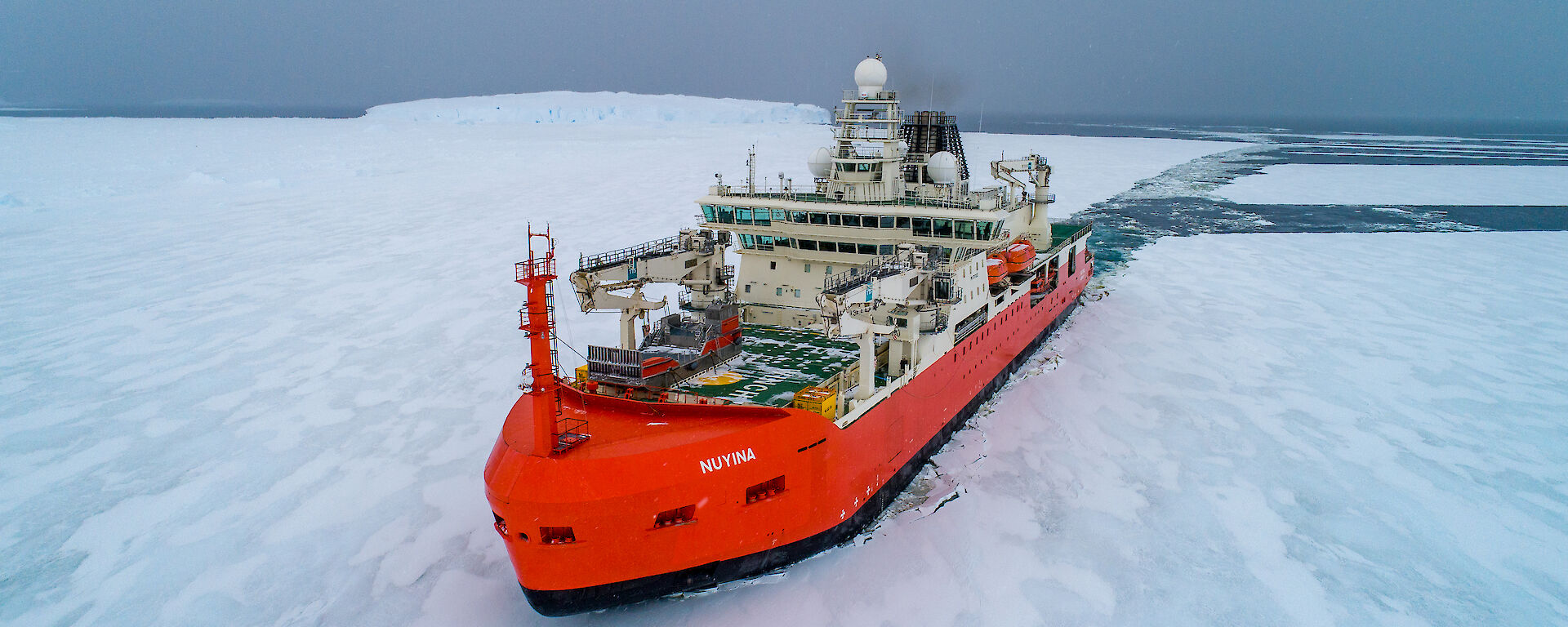
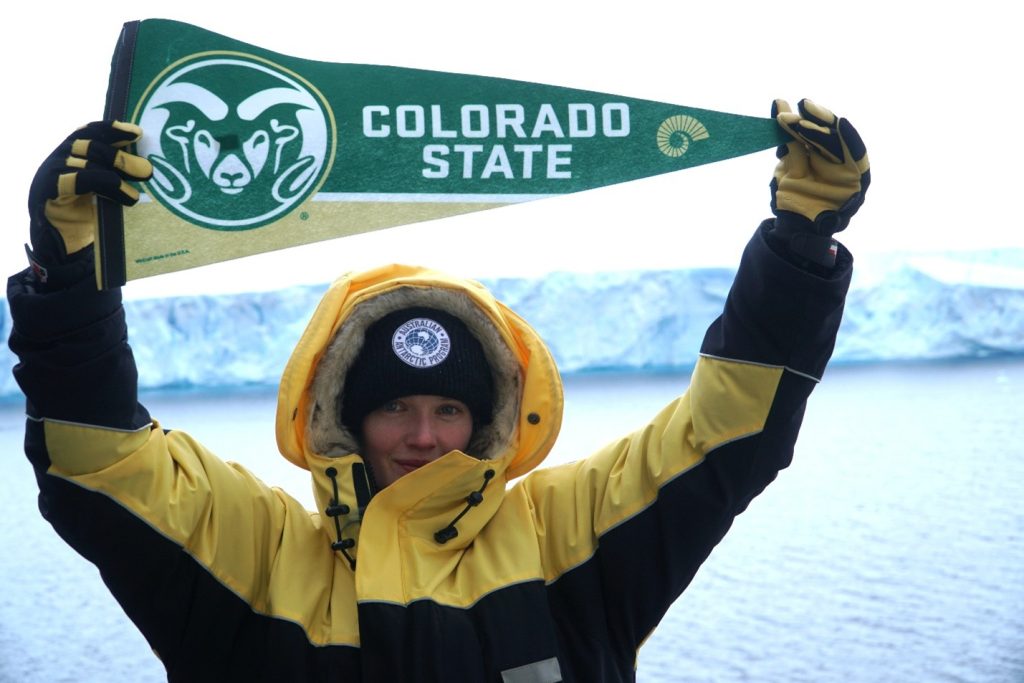
It’s not every day that you get to head south to Antarctica. I had the privilege of doing just that for my master’s research, visiting one of the most remote places on Earth. Denman Glacier — a massive glacier that fills a canyon reaching 3,500 meters below sea level, the lowest point on continental Earth — has had fewer than 160 visitors, about 130 of them as part of our voyage last year. I spent 63 days aboard the RSV Nuyina, an Australian icebreaker, as part of the 2025 Denman Marine Voyage. The expedition brought together about 60 scientists from around the world across disciplines including oceanography, biogeochemistry, and atmospheric science. After a month of extensive training and preparation in Hobart, Tasmania, we set out for Antarctica.
The Denman Glacier region is still understudied because of its remoteness, even though it plays an important role in the global climate system. The deep canyon beneath Denman Glacier makes it especially vulnerable to a warming Southern Ocean, and if the glacier were to melt significantly, it could contribute about 1.5 meters of global sea-level rise. The glacier also sits near one of the cloudiest regions on Earth. These low-altitude mixed-phase clouds, which contain both liquid water and ice, form a broad band across the Southern Ocean and help reflect sunlight back to space, acting like a natural thermostat for the Antarctic region (See also Clouds of Life). Being there from the end of austral summer into late autumn, we watched sea ice begin to form and recorded its different stages along the way. The sea ice also provides key insights into the ocean-atmosphere exchange in this region, regulating clouds and climate.
We participated in Reach the World, a virtual exchange program that gives K-12 students a chance to see what real fieldwork looks like. This allowed us to share field logs, journal entries, and photos through a classroom website, and we were even able to livestream from Antarctica with students as they asked terrific questions. It was a joy to share both the science and the experience of Antarctic fieldwork with young people, and I hope it inspired some future polar scientists. Overall, the Denman Marine Voyage was a success, with nearly 60 days of continuous data collected. We also had the chance to experience the ship’s namesake: nuyina, the Palawa kani (Tasmanian Aborigines) word for the Southern Lights.
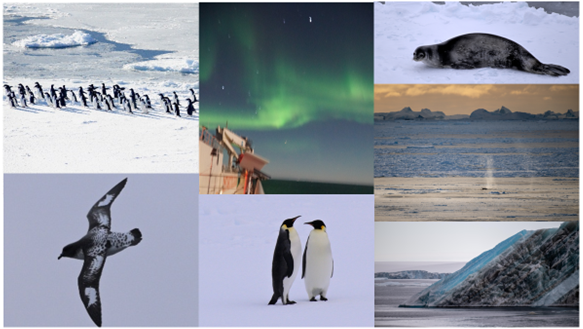
The wildlife was also incredible. Hundreds of penguins, from emperors to adélies, lined the drifting ice floes. Humpback whales, killer whales, and minke whales sometimes seemed to follow the ship, almost as if they were playing alongside us. We were also lucky enough to see elephant seals, Weddell seals, and even the elusive leopard seal. There were frigid days when going outside was impossible and days when the time to develop frostbite would take less than 10 minutes. But there were also calm, clear days when we could see far across the continent and out toward distant icebergs.
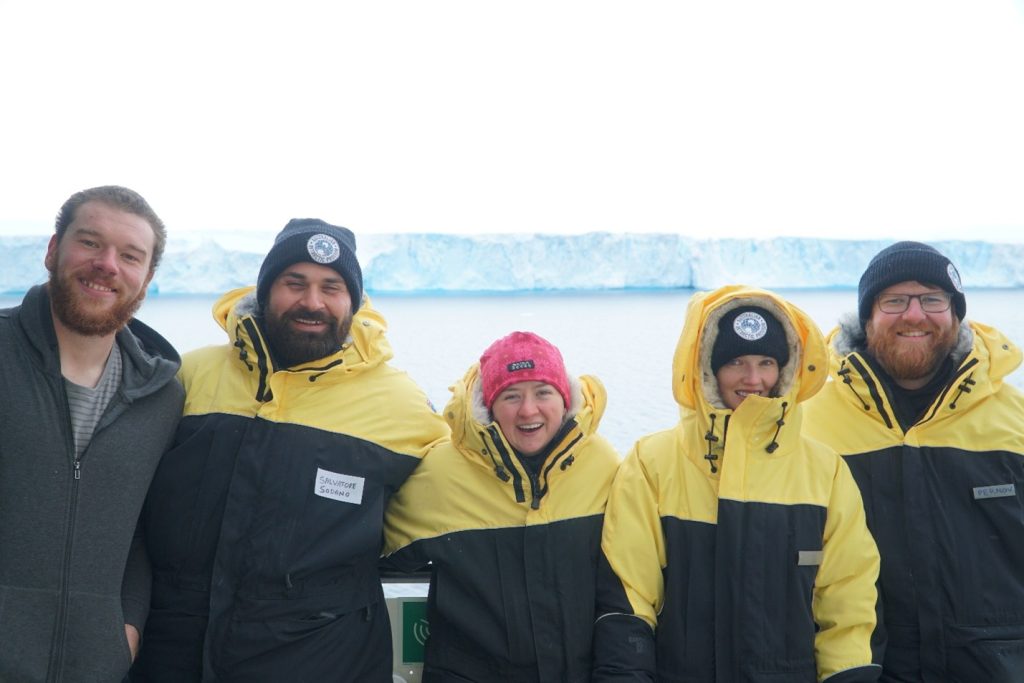
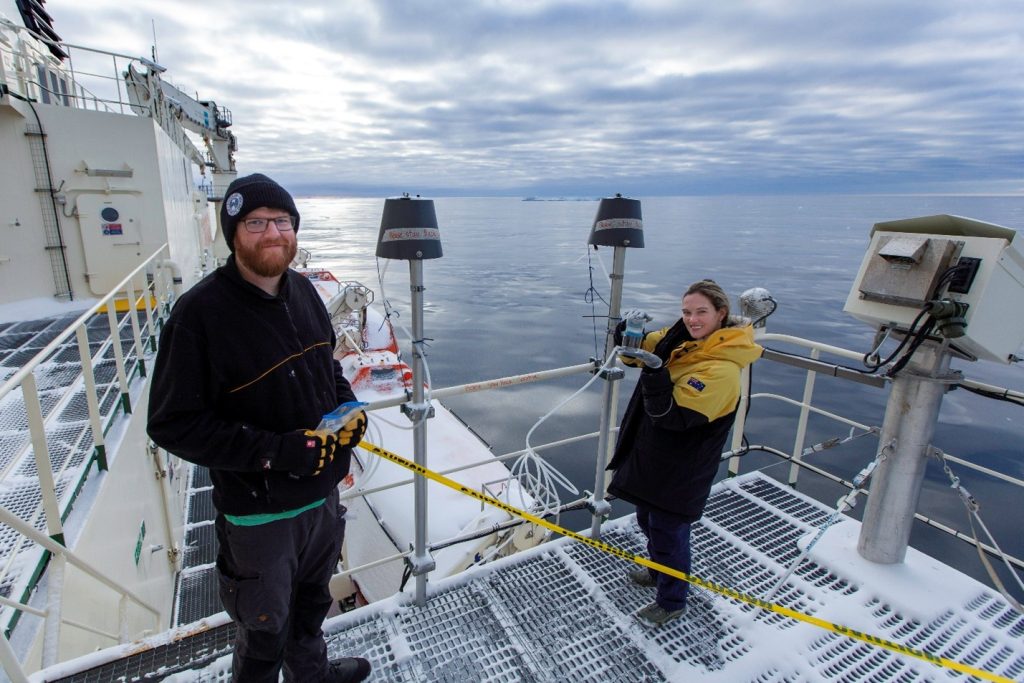
Understanding Denman Glacier and its surrounding atmosphere can help improve our knowledge of climate processes that extend far beyond Antarctica. During the expedition, our team used ship-based radar and aerosol instruments, weather balloons, and filter samplers to study the Southern Ocean atmosphere and the tiny particles that help these clouds form. Our post-voyage research is still ongoing, but we captured several katabatic wind events — fast, cold, dry winds that descend from the Antarctic continent. These winds may carry particles from Antarctica out over the Southern Ocean. Under the right conditions, those particles can influence cloud formation and cloud reflectivity, potentially affecting this natural regional thermostat.
I have taken part in other field campaigns, but this is one I will never forget. Antarctica holds a special place in my heart, and it should matter to all of us. This region helps regulate the climate of our fragile planet, yet it is also deeply vulnerable. Now is the time to better understand, conserve, and protect it. I am hopeful that our research can help do exactly that.